How to Follow up on Roofing Estimates: 7 No Decision Moves
how to follow up on roofing estimates with 7 no-decision moves that bring quiet homeowners back, answer questions fast, and win more jobs.
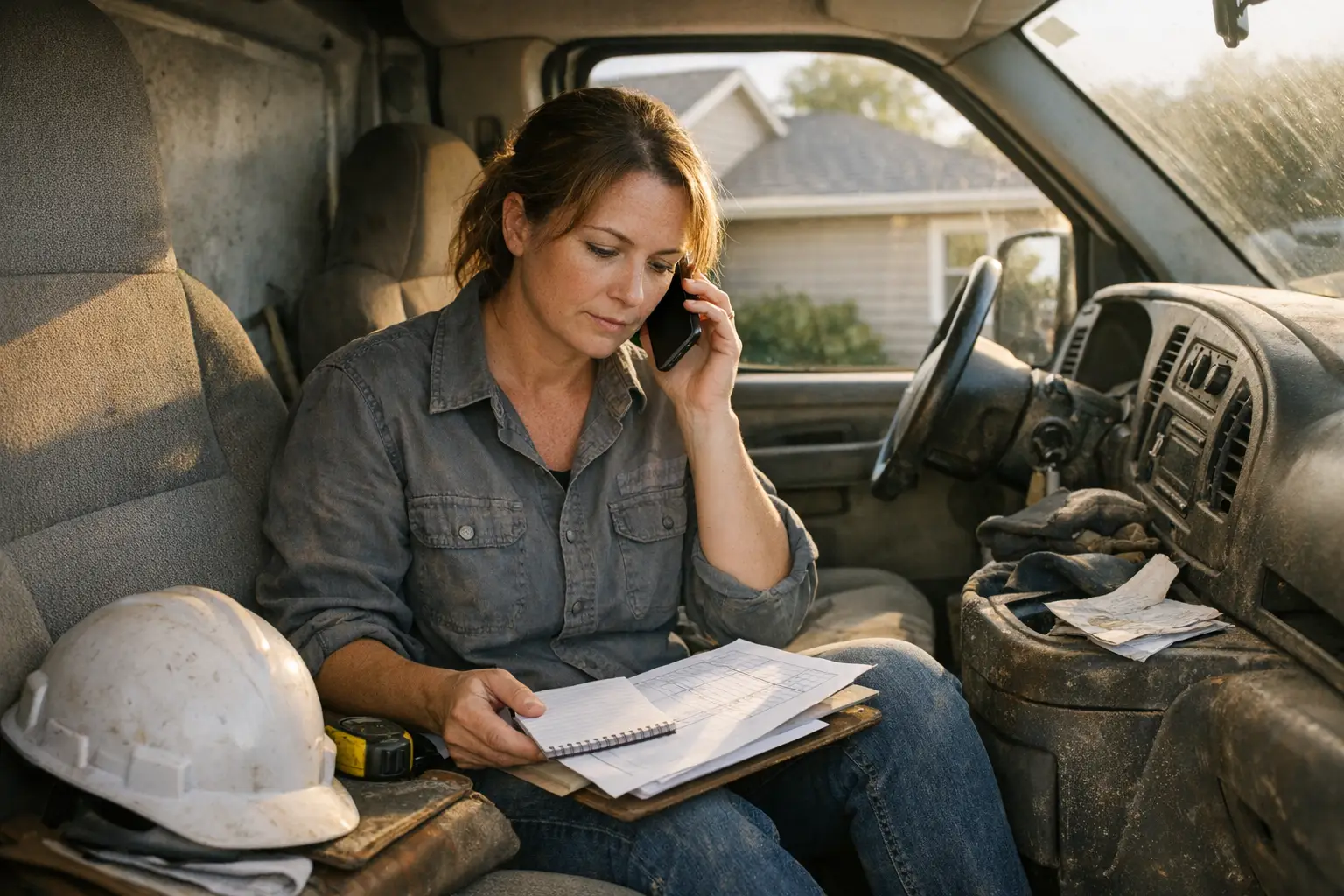
A quiet roofing lead is expensive. You already paid for the call, set the inspection, climbed the roof, wrote the estimate, and sent it out. Then nothing. In most shops, the loss isn't the estimate itself. It's the lack of a clear next step after it leaves your inbox.
Follow up on roofing estimates with a short, useful sequence. Confirm they got it, answer scope questions fast, send proof that lowers risk, and log why they stalled. The goal isn't pressure. It's helping a homeowner make a decision, yes or no.
Why roofing estimates go quiet
Silence after an estimate usually doesn't mean the homeowner hates your price. More often, they're sorting through unclear scope, waiting on another bid, asking a spouse, or trying to figure out if the leak feels urgent enough yet. If your team treats every quiet lead like a price objection, you'll miss what actually needs attention.
Roofing has a special follow-up problem. The homeowner can't always tell what makes one proposal different from another. One estimate may mention permit handling. Another may not. One may include cleanup details around landscaping and driveways. Another may leave that vague. If you don't help them compare in plain language, they often delay instead of deciding.
What how to follow up on roofing estimates fixes
A real follow-up process fixes handoff failure first. In many roofing shops, sales thinks the office will chase the lead. The office thinks sales will call because they did the inspection. Five days pass, notes sit in text threads. Nobody remembers that the homeowner asked about shingle options or warranty terms.
It also fixes weak message quality. A generic "just checking in" doesn't move much. A short text that confirms receipt does. An email that explains what is included and excluded does. A call that asks whether they're comparing bids or waiting on timing does even more because it gives your team something to work with.
Where homeowners stall after the inspection
Most stalls happen in a few predictable spots. The first is right after delivery, when they haven't fully opened or understood the estimate. The second is during bid comparison, when line items don't match across contractors and nobody has translated them into plain English.
Another stall point comes later, when trust questions show up. Homeowners may want proof of insurance, permit responsibility explained clearly, warranty details restated simply, or a realistic start window instead of a hopeful one. Busy roofing teams often wait for those questions to arrive instead of answering them before doubt grows.
A 7-touch follow-up plan
Use a sequence that matches how people decide on roof work. Don't rely on memory or one strong salesperson carrying the whole load. A basic seven-touch plan works well because it creates coverage without turning into noise.
Try this rhythm: confirm receipt right away; call within the next business day; send one value-add message; check again after a few days; answer objections by type; remind them before estimate terms change; then close the loop with a clear yes-or-no ask. Every touch should have one job only.
A simple seven-touch sequence often looks like this:
- Right after sending, confirm delivery by text or email
- Same day or next business day, make a phone call
- Send one useful follow-up item tied to their concern
- Check back with a short text if there is no reply
- Call again with a specific question about timing or scope
- Send a reminder if schedule windows or estimate terms may change
- Ask for a clear next step: approve, decline, or revisit later
Day 1 confirm the estimate was received
Start fast. A same-day confirmation prevents an easy loss where your proposal gets buried under other emails or never gets opened on mobile. Keep it short and practical: "Did you get the estimate? If you'd like, I can also send a quick summary of what it covers."
That small move matters because it turns delivery into conversation. It also gives you permission to learn their preferred channel early. If they reply by text but ignore email, keep future touches tight and text-first (as long as you have consent recorded). Save long documents for email and use text to point them back there.
Day 3 answer scope and price questions
By day three, many homeowners are comparing bids but don't know what they're comparing. This is where roofers lose jobs by staying vague. Don't ask only if they've decided yet. Ask what part feels unclear.
Use questions that uncover the real pause: Are they still waiting on another roofer? Do they want help comparing scope line by line? Are they unsure about permit handling or cleanup? Have they asked someone else in the home to review it? Those answers tell you which message comes next.
Day 7 send proof that lowers risk
Around day seven, trust often matters more than another reminder. Send something that reduces uncertainty instead of repeating your ask. Good options include annotated roof photos from the inspection, a plain-language scope summary, warranty clarification, proof of insurance if requested, or a realistic note about scheduling windows.
This touch works because it answers silent worries without sounding pushy. Consider a hypothetical homeowner with two bids that look similar at first glance. A marked-up photo set showing problem areas and repair scope can do more than three How to Follow Up Without Sounding Pushy texts ever will.
How to follow up on roofing estimates by outcome
Not every quiet lead needs the same script. That's where many shops get sloppy during busy weeks. They send one canned sequence to everyone and then wonder why response drops off.
Tag each open estimate by likely reason for delay. Common tags are comparing bids, budget concern, low urgency, waiting on household approval, permit question, warranty question, material choice, and timing issue. Once those tags exist in your system, your follow-up gets sharper and shorter because each contact fits what they're actually stuck on.
For owners who want this handled consistently without depending on memory alone, Estimate follow-up service for contractors helps with the actions that usually break down here: answering calls, texting back missed callers, booking jobs. Following up on open estimates so leads don't disappear between sales and office staff.
How to follow up on roofing estimates after no reply
No reply doesn't mean stop after one attempt or chase them every day. It usually means your earlier message gave them nothing useful to answer yet. Change both channel and content before you assume they're gone cold.
A good no-reply path is simple: send one short text after your first call attempt; try another call later in normal business hours; then send one value-add email with a specific subject like scope summary or roof photos included (not "following up"). After that, ask for an easy close-the-loop reply such as "want us to circle back next week?" That lowers effort for them and gives your team cleaner pipeline notes.
See how Petunia makes how to follow up on roofing estimates easier
Every call you miss while your crew is on a job is a job someone else books. Petunia answers and qualifies your calls, texts back missed callers, books jobs, and follows up on open estimates, so home services owners (plumbers, electricians, roofers, pest control, landscapers, cleaners and more) stop losing revenue to slow response.
Your team keeps working the way it does today. Petunia handles the calls and follow-ups that slip through when everyone is busy, and developers can trigger the same actions through an API.
Visit Petunia to see how it works.