Best Way to Answer After Hours Plumbing Calls: 7 Fixes Now
after-hours plumbing call answering that stops voicemail gaps, calms leak calls, and sends clean notes so you book more jobs overnight.
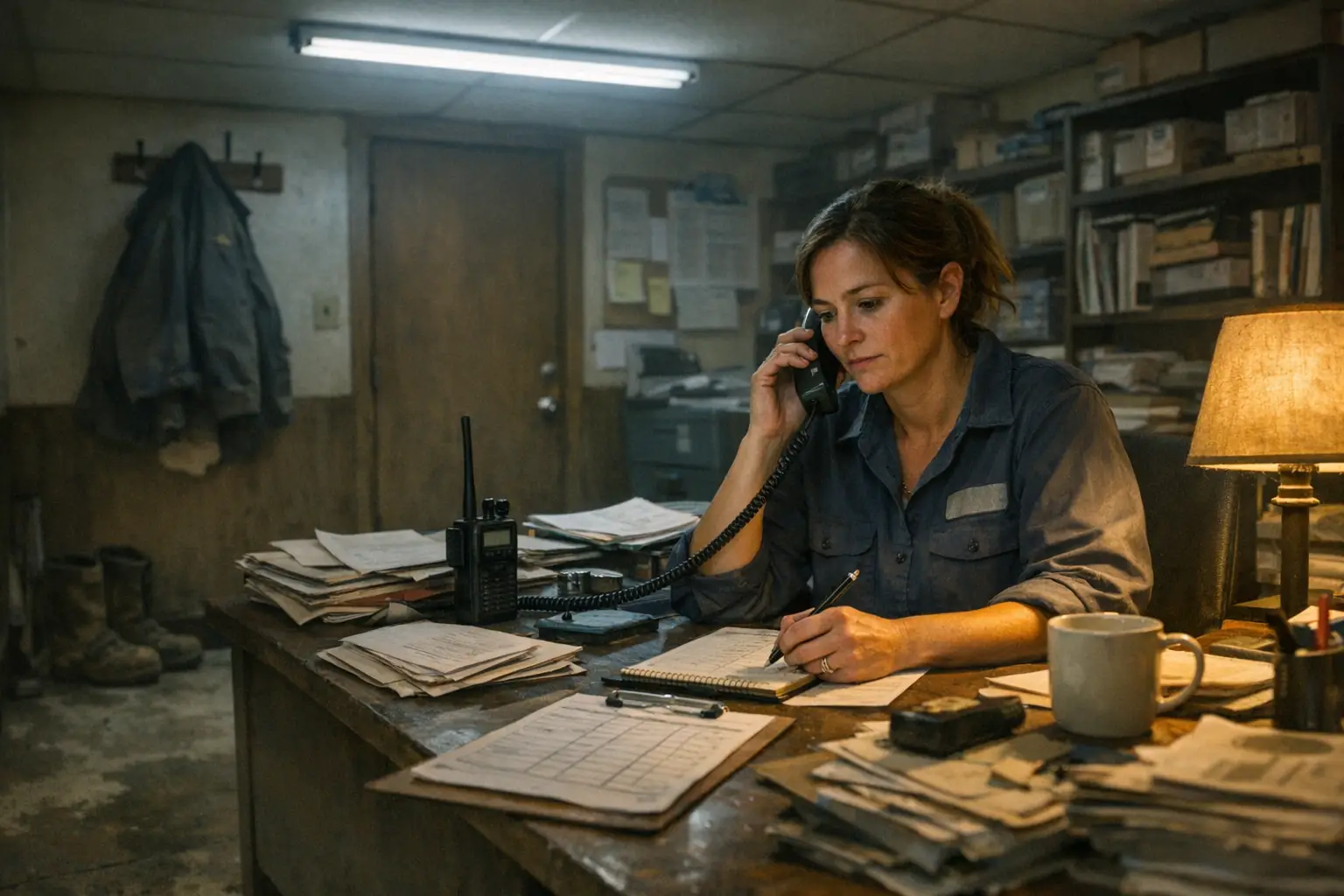
Consider two plumbing shops handling the same late-night call. One sends the caller to voicemail, gets a frantic message about water on the floor, and wakes a tech with notes that say only "urgent leak." The other answers live, asks four calm questions, tells the caller what happens next, and wakes the on-call tech only if the facts support it.
The best way to handle after-hours plumbing calls is simple: answer fast, triage with clear rules, document every promise. Hand off clean notes to dispatch. Done right, you book more jobs, avoid bad wake-ups, and give stressed callers a clear next step.
Pick the right after-hours coverage model
Most plumbing shops don't need the same setup every night. The right model depends on call volume, how often true emergencies come in. How much judgment your office team can make after hours. What matters most is not who answers first. It is whether they follow your rules every time.
A lot of owners get stuck on cost or control. That misses the real issue. After-hours coverage fails when callers wait too long, techs get called for low-urgency work, or nobody can tell what was promised by morning. Pick the model that gives you fast acknowledgment and disciplined triage.
In-house, outsourced, or hybrid tradeoffs
In-house coverage gives you the most control. Your own staff knows your service area, your schedule. Which plumber can handle a sewer backup versus a simple fixture issue. The downside is burnout. Nights and weekends wear people down fast, especially in small shops.
Outsourced coverage can work if the intake is tight and specific to plumbing. Generic message-taking usually isn't enough. "Customer has pipe problem" does not help an on-call tech decide whether to roll out or wait until morning. If you outsource, use a script with required fields and hard escalation rules.
Hybrid is often the best fit for a growing shop. A live answering team handles first contact, gathers facts, sends a missed-call text-back scripts that book jobs if needed. Escalates only when certain flags appear. That protects your office staff while keeping emergency decisions under your control.
When after-hours plumbing call answering should wake techs
Not every evening call deserves an immediate dispatch. In most cases, the decision should turn on damage risk, safety risk. Whether waiting creates a worse problem by morning. A running overflow or active backup is different from a slow drip under a sink.
Good shops define this before the phone rings. Wake the on-call tech for active water where shutoff has failed, sewage exposure concerns, no-water situations that can't wait, or access issues tied to tenant or property damage risk. Hold routine fixture problems, minor drips. "can someone come tonight?" requests for scheduled follow-up unless other facts change the urgency.
That one rule saves technician energy. It also improves customer trust because your team sounds calm instead of reactive.
Build a safer call triage flow
A strong triage flow should do three things in order: calm the caller, classify urgency. Move to the next action without giving repair advice. Plumbing calls often come in with emotion first and useful detail second. Your process has to pull out facts without sounding cold.
I've seen the trouble start when teams try to improvise here. One person asks great questions. Another just takes a name and number. By midnight, your on-call plumber is guessing whether "water issue" means a serious leak or a toilet that won't stop running cleanly.
What after-hours plumbing call answering must capture
Every call needs a short set of required details. Start with contact info and service address. Then capture what is happening now: active leak, backup, overflow, no water, clogged drain, water near electrical areas, or something else. Ask whether the caller has shut off water if possible and whether damage is still spreading.
Next, note access and timing facts. Is someone on site? Can they let a technician in? Do they want service tonight if it qualifies for dispatch? Those details matter because many after-hours failures are not about diagnosis. They are about arriving blind or finding nobody available to approve entry.
Keep notes plain and specific. "Water coming through ceiling below upstairs bathroom" is useful. "Plumbing emergency" is not.
How after-hours plumbing call answering sets expectations
Callers don't always need an instant truck roll. They do need an instant response and honest next steps. That means saying what happens now without overpromising arrival times or repair outcomes.
Use simple language: we can send this for immediate review by the on-call plumber; we can arrange a callback within a set window; or we can book this for regular hours first thing available. Also disclose any after-hours visit terms your shop requires before dispatching someone out.
One more guardrail matters here. Whoever answers should never talk like they are diagnosing the repair over the phone unless they are qualified to do that safely under your rules. Basic safety prompts are fine (like shutting off water if possible or staying clear of electrical hazards near standing water). Detailed fix instructions are not.
Make handoffs cleaner by morning
Most after-hours problems don't end with the call itself. They show up at 6:30 a.m., when dispatch opens and nobody knows what fee was mentioned, whether permission to enter was discussed, or why a job was marked urgent in the first place.
Clean handoffs solve that mess. Every overnight interaction should create one usable record with timestamps, caller details, urgency level, promises made, and next action already assigned. If you can't see all of that in one place by morning, your process still has holes.
How after-hours plumbing call answering feeds dispatch
Dispatch needs structured notes, not story fragments from texts and voicemails across three apps. A good handoff should tell dispatch what happened on the call, what triage decision was made, who reviewed it if escalation happened. Whether an appointment was booked or still needs confirmation.
That record also helps first-visit prep. If notes show "backup affecting one bathroom only" versus "sewage backing into lower level," your team can plan differently before leaving the yard. Better intake doesn't just protect bookings at night. It helps field crews walk in better prepared in the morning.
If you want this handled without patching together voicemail boxes and manual callbacks, Petunia helps home service companies answer and qualify calls, text back missed callers, book jobs. Follow up so fewer opportunities slip overnight. You can see it in action once your rules are clear.
Get started with Petunia for after-hours plumbing call answering
Every call you miss while your crew is on a job is a job someone else books. Petunia answers and qualifies your calls, texts back missed callers, books jobs, and follows up on open estimates, so home services owners (plumbers, electricians, roofers, pest control, landscapers, cleaners and more) stop losing revenue to slow response.
Your team keeps working the way it does today. Petunia handles the calls and follow-ups that slip through when everyone is busy, and developers can trigger the same actions through an API.
Visit Petunia to see how it works.
You Might Also Like
- After-Hours Calls: What to Do First
- How to Route Emergency Plumbing Calls in Under 60 Seconds
- After-hours call rules for small HVAC teams
- After-Hours Lead Handling for Small HVAC Teams