Quote Follow up Timing: When to Call After First Visit
Quote follow up timing matters after the first visit: send the quote same day, call within 24 hours, and keep jobs from slipping away.
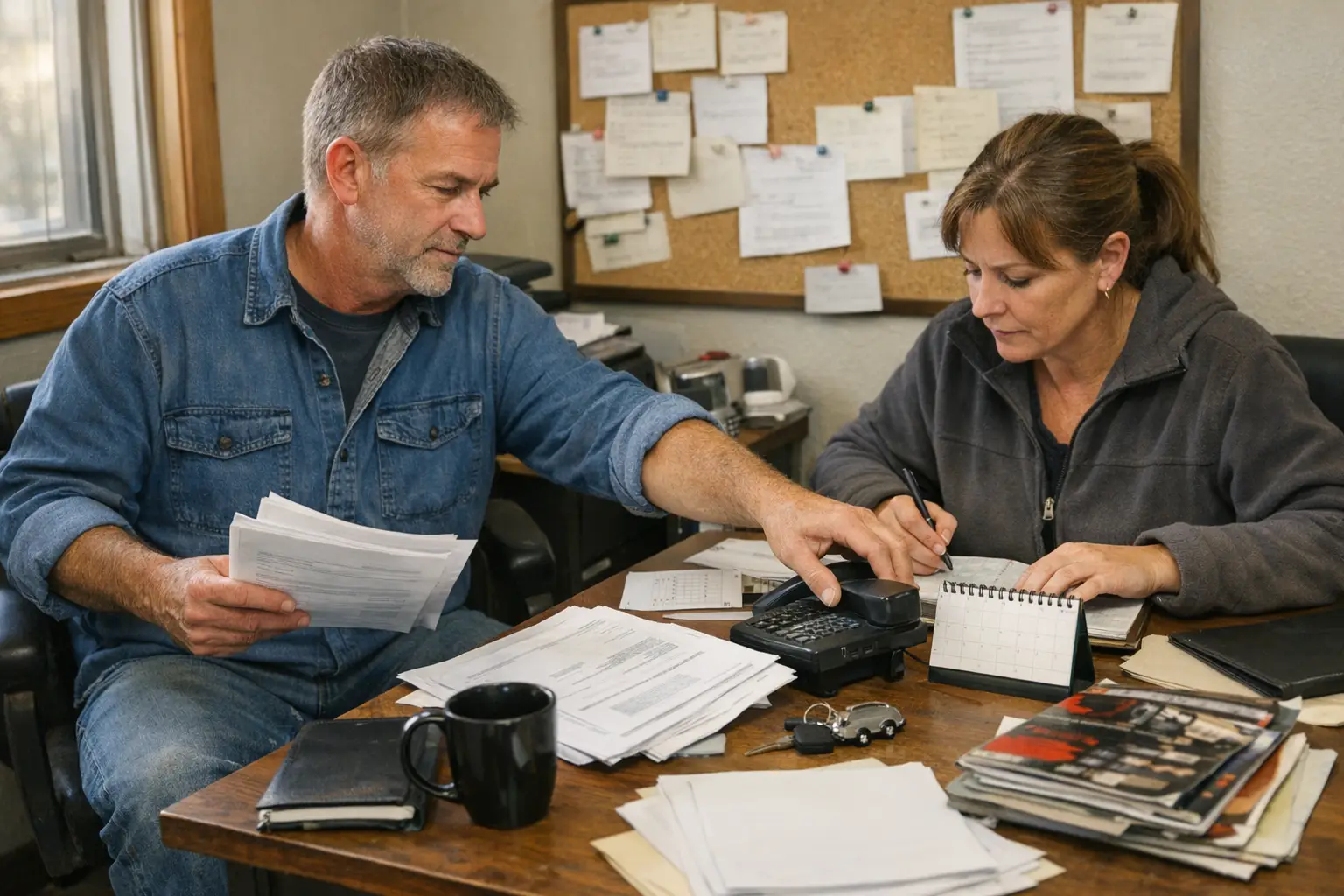
A lot of jobs die in the gap between the first visit and the next contact. The tech did a good walkthrough. The price was fair. Then nobody followed up with a clear plan, and the customer picked someone else.
In This Article:
- Build a follow up schedule after the visit
- Choose the right channel for each touch
- Decide when to keep going or close it out
- You Might Also Like
The short answer is this: send the quote the same day if you can, follow up again within 24 hours, make your next touch on day two or three. Keep a calm multi-touch schedule until the customer decides or the quote should be closed.
Build a follow up schedule after the visit
The best follow-up schedule is simple enough that your office can run it on a busy day. You do not need a fancy sequence. You need clear timing, ownership, and one next step at each touch. If everyone knows who reaches out, when they reach out, and what they are trying to learn, fewer quotes slip away.
For most home service quotes, speed matters most right after the visit. Harvard Business Review recommends sending clear and concise meeting notes within 24 hours (Harvard Business Review). A first visit is not a board meeting, but the same idea fits. People forget details fast. Questions pile up overnight. A quick recap keeps the job moving.
A practical cadence often looks like this: quote out the same day, short check-in later that day or next morning, phone call on day two or three, then another touch several days later. After that, your pace should slow down. You are trying to stay present, not hover. The point is to remain helpful while the estimate is still fresh in the customer's mind.
Send the quote before the day ends
Same-day quoting does two things. It proves you are organized, and it cuts down on confusion while the visit is still fresh in the customer's mind. If you promised numbers tonight and they arrive tomorrow afternoon, trust drops before price even becomes the issue. That delay can make a fair quote feel less dependable.
Keep that first message short. Restate scope in plain words. Name any options clearly. Tell them exactly how to approve and what happens next if they say yes. If something is still pending, say that too. Silence creates doubt faster than an honest update does. Clear wording also gives the customer something simple to forward to a spouse or decision-maker.
For a roofing company, that might mean sending the estimate before dinner and texting one line after: "Your quote is in your inbox. Reply here with any questions." For a cleaning or locksmith job, it may be even simpler. The point is speed plus clarity. A quick, direct note often does more than a long explanation.
Set day two quote follow up timing
If there is no reply, day two or three is usually the right time for your first real follow-up call or direct text. That gap gives people room to review the quote without letting it go cold. It also gives them time to compare options without feeling chased.
Do not make this touch about pressure. Make it about friction. Ask whether they had any questions about scope, timing, or options. In many shops, that is where deals stall. Not on price alone, but on small unanswered details like prep work, access, scheduling windows, or what happens first. One clear answer can move the job forward.
One useful guardrail comes from the U.S. Small Business Administration: over 80% of sales are made after the fifth contact (U.S. Small Business Administration). That does not mean calling five times in two days. It means one follow-up rarely does the job. Your system should expect several touches before a quote is won or lost. A steady plan is better than a burst of calls followed by silence.
Choose the right channel for each touch
Use channels for what they are good at. Text is best for quick confirmation and easy replies. Email is best for full scope and written detail. Phone calls help when confusion is blocking a decision. When the channel fits the job, your timing works better because each touch has a clear purpose.
A lot of teams get this backwards. They leave long voicemails for simple questions and send long texts for issues that need discussion. Better channel choice makes your timing work better because each touch has a clear job. It also makes the customer feel like you are easy to work with, which matters during the quote stage.
Use text to confirm scope and next step
Text works well right after a first visit because it is light and easy to answer between errands or work calls. It also lets you confirm one thing at a time instead of dumping every detail back on the customer. For many people, a text feels faster to read than a full email thread.
A good text follow-up sounds like a service business, not a sales script. Keep it short. Confirm what was quoted. Ask one direct question if needed. Offer one easy next step, like approval by reply or a time for a short call. If the customer just needs a reminder, text is often enough.
Capture customer preference while you are at it. If they said "text me after 5" or "email only," treat that as part of the quote record, not casual chatter. Good follow-up timing is not just about when you reach out. It is also about using the way they asked you to use. Respecting that preference makes later contacts more likely to get a reply.
Know when a call helps quote follow up timing
Calls help when there is hesitation you cannot solve in writing. Maybe they have to compare options with a spouse. Maybe they do not understand why one repair path costs more than another. Maybe they are interested but worried about schedule disruption. A live conversation can clear up those issues faster than a string of messages.
Call during sensible hours and stay brief unless they want more detail. The Federal Trade Commission says telemarketers cannot call before 8 a.m. or after 9 p.m. in the consumer's local time (Federal Trade Commission). If your outbound estimate calls fall under those rules, your process needs to respect them every time. It is easier to build that into your routine than to fix mistakes later.
A missed call should trigger one clean fallback action, not chaos. Leave a short voicemail if appropriate, then send a text that says why you called and what to do next. That keeps momentum without making three people from your office chase one estimate in three different ways. One clear next step is enough.
Decide when to keep going or close it out
Not every quote deserves the same effort forever. Bigger jobs usually need more touches because more people are involved in the decision and more questions come up along the way. Smaller jobs often need speed more than persistence.
If someone needs appliance repair, garage door work, pool service, or handyman help soon, waiting too long between touches can lose them fast. By comparison, painting or restoration quotes may need more spaced-out follow-up because customers are weighing scope, budget, and timing together. The job type should shape your timing, not the other way around.
Match quote follow up timing to job size
Treating every estimate exactly alike usually wastes time. A larger roofing proposal may justify several planned touches over a longer stretch because buyers often compare bids carefully and ask more scope questions later. A bigger project also gives you more chances to earn trust with clear updates.
A smaller plumbing or cleaning quote may need fewer touches but tighter spacing early on. Fast response matters more than long nurture there. Your team should decide in advance which job types get which cadence so office staff are not guessing on every open estimate. That keeps the process steady even when the day gets busy.
This is also where status labels matter more than most shops think. "Sent," "viewed," "question asked," "waiting on spouse," "call back next week," and "not now" are all different situations. Better labels lead to better timing because each status tells your office what to do next instead of leaving quotes in one big pile. When the status is clear, the next move is clear too.
See how Petunia can help
Every call you miss while your crew is on a job is a job someone else books. Petunia answers and qualifies your calls, texts back missed callers, books jobs, and follows up on open estimates, so home services owners (plumbers, electricians, roofers, pest control, landscapers, cleaners and more) stop losing revenue to slow response.
Your team keeps working the way it does today. Petunia handles the calls and follow-ups that slip through when everyone is busy, and developers can trigger the same actions through an API.
Visit Petunia to see how it works.
You Might Also Like
- Estimate Follow-Up Cadence That Recovers Lost Revenue
- How to Reopen Old Plumbing Quotes Without Being Pushy